The Real Truth: Fujifilm X Half or Printique Photo Book?
Photographers and photo lovers often face an unexpected but meaningful choice: should a modest budget be spent on new camera gear or on printing and producing physical photo books? At first glance the comparison—Fujifilm X Half versus a Printique photo book—seems like apples and oranges: one is a tool for making images, the other is a way to present and preserve them. This article unpacks that decision. It looks at real-world use cases, what buyers typically care about, and how each investment affects creativity, legacy, and day-to-day satisfaction.
Introduction: A dilemma many photographers face
One of the most common questions among hobbyists and even working photographers is where to put limited discretionary funds. Upgrading a camera can unlock better autofocus, higher resolution, or improved ergonomics. Printing a beautifully bound photo book can turn a body of work into a tangible story that friends and family can hold, share, and keep for generations. Both deliver value, but in different currencies: technical capability versus emotional permanence.
This guide treats "Fujifilm X Half" as shorthand for a midrange Fujifilm X-series mirrorless camera body—representative of the X-series ergonomics, color science, and lens ecosystem—and "Printique photo book" as a high-quality, professionally produced photo book option. The goal is practical: help readers decide which option is likely to deliver more value given their priorities and typical photographic habits.
Understanding the investments
Fujifilm X Half: the craft investment
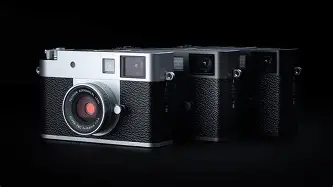
Buying a Fujifilm X-series camera is an investment in capacity. For many buyers, the appeal of Fujifilm lies in tactile controls, film-simulation color profiles, and access to a compact but capable lens ecosystem. A new camera delivers immediate technical benefits: improved low-light performance, more reliable autofocus, higher frame rates for action, or a higher-resolution sensor for prints and cropping.
Real-world use cases include travel photographers who value compactness, parents who want a reliable body with quick access to settings for children’s events, and enthusiasts who enjoy the hands-on experience of dials and manual controls. For a photographer who spends a lot of time shooting and learning, new gear can be career- or hobby-advancing.
Printique Photo Book: the legacy investment
A Printique photo book is the opposite type of investment: it is about output rather than capture. Printique (formerly known under other brands) is known for archival paper choices, professional binding options, and color fidelity when files are prepared correctly. A quality photo book turns a collection of images into a narrative object—wedding albums, travel memoirs, portfolio books, or family archives.
Real-world use cases include newlyweds who want to gift albums to relatives, photographers building printed portfolios for clients or gallery meetings, and families preserving a child’s early years in a tactile format. For buyers who value presentation and permanence, a photo book often delivers more emotional return per dollar than another lens or body.
Detailed analysis: what buyers typically care about
When choosing between gear and prints, buyers usually consider several recurring factors. Below is an analysis of how a Fujifilm X-series camera and a Printique photo book measure up against these common priorities.
1. Image quality and final output
Technical improvements in a camera directly affect capture quality: dynamic range, noise control, color depth, and resolution. These attributes matter when the ultimate goal is large prints, tight crops, or heavy post-processing. Conversely, a photo book’s value depends on file preparation and the lab’s reproduction accuracy. Even modest cameras produce excellent images for photo books when shots are well-composed and properly edited; thus, for print-focused buyers, learning workflow and color management often yields big gains without the immediate need for new hardware.
Find top-rated Cameras & Photography products at great prices.
View Offers →2. Emotional value and longevity
Prints and books are inherently durable and social. Families and clients still cherish printed books because they invite prolonged viewing and conversation. A camera generates more images and can improve future captures, but those images remain ephemeral until they are printed or bound. If preserving memories in a form that outlasts software or social platforms is important, a photo book is hard to beat.
3. Learning curve and creative growth
A new camera can accelerate learning: better autofocus and more reliable metering can keep more shots in focus and properly exposed, which reduces technical friction and lets a photographer concentrate on composition and storytelling. However, a photo book forces a different kind of discipline—editing down hundreds of images into a coherent sequence. That editing and sequencing skill often has a larger impact on a photographer’s voice than incremental equipment upgrades.
4. Cost and perceived ROI
Cameras and lenses are depreciating assets—useful while owned but with resale value that declines over time. Photo books are consumables that deliver immediate, non-financial returns. Many buyers find the emotional ROI of a thoughtfully produced book greater than the marginal technical gain from new gear, particularly at lower budget tiers.
5. Time to gratification
A new camera offers instant gratification: unboxing, shooting, and exploring features. A photo book requires editing and design time, which can be rewarding but slower. The right choice depends on whether the buyer values immediate play or the process of curation.
Pros & Cons
Fujifilm X Half
- Pros: Improved capture capabilities (low light, AF, resolution), tactile controls, compact system lenses, potential to elevate future work, resale value within camera market.
- Cons: Depreciating asset, requires time to master, additional lenses and accessories add cost, does not by itself create finished, shareable physical products.
Printique Photo Book
- Pros: Tangible legacy product, high emotional value, professional presentation for clients or gifts, archival paper and binding create longevity, forces beneficial editing discipline.
- Cons: Requires good file preparation and color management, physical storage and shipping costs, one-time consumable expense (book itself isn’t reusable), longer time from decision to finished product.
Feature-by-feature comparison
| Factor | Fujifilm X Half (camera) | Printique Photo Book (printed product) |
|---|---|---|
| Primary purpose | Capture better images | Present and preserve images |
| Emotional impact | Indirect—improves capture potential | Direct—tangible and shareable |
| Cost behavior | Depreciates; additional expenses (lenses) | Consumable; single project cost |
| Time to value | Immediate to short-term (shooting) | Medium-term (editing, layout, delivery) |
| Skill development | Improves technical shooting skills | Improves curation and storytelling |
| Longevity | Good while relevant; hinges on resale | High—physical object can last generations |
| Best for | Photographers who shoot frequently and need better tools | People who want to preserve and present images to others |
Buying guide: how to choose based on real priorities
Below are practical decision-making steps and tips to match the choice to the buyer’s situation.
Step 1 — Define the primary goal
- If the priority is to capture higher-quality images regularly (events, weddings, wildlife), lean toward the camera.
- If the priority is to create a keepsake, tell a story, or present work professionally, prioritize the photo book.
Step 2 — Consider frequency and volume
Photographers who shoot frequently and accumulate images will benefit more from improved capture tools because the camera will be used constantly. If photography is occasional (vacation snaps, yearly family photos), a photo book can convert existing images into something meaningful without a new gear purchase.
Step 3 — Evaluate current workflow and skill gaps
If most dissatisfaction comes from poor composition or lack of editing confidence, a book project forces curation and often yields greater perceived improvement in final results. If technical limitations (e.g., poor autofocus, high ISO noise) are the bottleneck, a new camera directly addresses those problems.
Step 4 — Budget and cost allocation
Estimate total cost: a camera body often leads to further spending on lenses and accessories, while a photo book’s costs are usually contained (design time plus production cost). For the same budget, a book can often preserve a larger body of images than buying a modest gear upgrade will improve them.
Discover deals on Cameras & Photography — updated daily.
View Offers →Step 5 — Hybrid approaches
A balanced option is to split the budget: allocate some to improving capture (a small but impactful accessory, such as a prime lens or flash) and some to a high-quality printed book for recent work. Another hybrid is to delay the camera purchase until after a book project—seeing one’s work in print often clarifies future gear needs.
Technical tips for photo books (to avoid disappointment)
- Always check the lab’s current file specifications and ICC profiles before exporting—soft proof in your editing software if possible.
- Export at print resolution: many labs perform best with images at roughly 300 pixels per inch at the intended final size; avoid upscaling small files.
- Use uncompressed or high-quality JPEG/TIFF as recommended; embed the color profile the lab asks for.
- Allow for bleed and safe margins in your layout; design templates usually indicate these zones.
- Order a single proof copy if the project is particularly important—this helps catch color or layout issues before bulk printing.
Real-world examples to guide the decision
Example 1: The traveling parent
A parent who travels twice a year and shoots mostly for family albums may get more satisfaction from a Printique book containing a curated set of travel memories than a marginal camera upgrade. The book becomes a shareable artifact at family gatherings.

Example 2: The aspiring wedding photographer
An aspiring pro whose work is attracting paying clients will often benefit more from improved capture equipment and lenses—reliability and image quality directly affect client delivery. However, producing a high-quality printed portfolio can help in closing higher-value clients, so splitting funds between a key lens and a portfolio book may be the smartest route.
Example 3: The hobbyist who loves editing
If creative satisfaction comes from editing and sequencing images into a narrative, commissioning a photo book can be an immensely rewarding project that improves storytelling skills and provides a finished product to share or keep.
Practical checklist before purchasing
- Identify the primary reason for spending: capture, presentation, or both.
- Estimate ongoing costs (lenses, accessories, or multiple books for different purposes).
- Check current equipment gaps—are harsh noise and focus misses the real problem or is it composition?
- Consider time available: does one have the time to design, edit, and proof a book?
- When choosing a book, review paper, binding, and color-management options; request sample swatches if possible.
Conclusion
There is no universal answer to "Fujifilm X Half or Printique photo book?" The ideal choice depends on a photographer’s current needs, shooting frequency, and what they value most: improved capture capability or finished, shareable artifacts. For active shooters who need technical improvements, investing in a Fujifilm X-series body and appropriate lenses often yields long-term creative dividends. For those who want to preserve memories, tell a polished story, or present work professionally, a Printique photo book provides immediate and often more emotionally resonant returns.
Many photographers find the best path is blended: invest in the single most impactful piece of gear (a fast prime or a reliable zoom) and use the remaining budget to print a focused body of work. That approach develops technical skill while ensuring images don’t just sit on hard drives but become objects people can hold and revisit. Ultimately, the "real truth" is practical: choose what solves the most pressing limitation today—better capture or better presentation—and the rest will follow.