Hd 650 Specs, Features, and Value: Is it worth the price tag?
The Sennheiser Hd 650 (often stylized HD 650) has been a reference-class staple in the audiophile community for decades. Known for its smooth midrange, relaxed treble, and comfortable long-listening ergonomics, the HD 650 is a pair of open-back, dynamic headphones frequently discussed alongside Sennheiser’s other classics such as the HD 600 and HD 660S. This article explores the Hd 650’s specifications, real-world performance, strengths and weaknesses, and whether its price-to-performance balance still makes it a compelling buy today.
Introduction: What the Hd 650 aims to be
The Hd 650 is positioned as a high-fidelity, open-back headphone for home and studio listening. It emphasizes a natural, musical midrange and a laid-back treble response designed to reduce listening fatigue. Buyers typically consider the HD 650 when they want a forgiving, highly resolving headphone that flatters vocals and acoustic instruments without being overly analytical. Typical use cases include critical listening at home, long-form music enjoyment, casual mixing or reference listening in quiet environments, and immersive gameplay where open-back imaging is preferred.
Key specifications and what they mean
- Transducer: Dynamic, open-back — an open design provides a more expansive soundstage and natural tone, at the cost of sound isolation and leakage.
- Nominal impedance: 300 Ω — relatively high, which means the HD 650 benefits from a dedicated headphone amplifier or a high-output DAC to reach comfortable listening levels with low distortion.
- Frequency response: 10 – 39,500 Hz — broad frequency coverage on paper; the practical audible response is tuned for smooth mids and controlled highs rather than extreme sparkle.
- Sensitivity / SPL: ~103 dB (typical published) — moderate sensitivity; again this implies pairing with an amp for many portable sources.
- THD: Very low at typical listening volumes — helps the HD 650 deliver clean, musical playback when driven properly.
- Weight: Around 260 g (without cable) — reasonably light for extended wear; combined with the headband and pad design it rates highly for comfort.
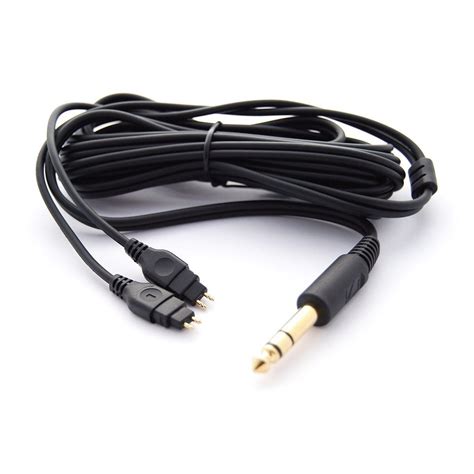
- Cable and connector: Long, single-ended cable with a 6.3 mm adapter included — meant for home listening rather than mobile convenience.
These numbers tell a familiar story: the Hd 650 is optimized for home/stationary listening where a power-hungry, open-back design can be paired with an amp and enjoyed in a quiet space.
Detailed product review and analysis
Sound signature: what listeners hear
One of the most commonly cited attributes of the Hd 650 is its midforward, lush presentation. Vocals, acoustic guitars, and midrange-focused instruments sound natural, weighty, and emotionally engaging. The treble is deliberately rolled-off compared to some more analytical headphones, which reduces glare and makes the HD 650 forgiving of poor recordings or bright mixes.
Bass on the HD 650 is typically described as tight and accurate rather than emphatic. It has respectable extension and texture, but it does not chase subwoofer-level impact or exaggerated punch. For genres that rely on authoritative low-end — certain electronic music or hip-hop — some listeners may prefer a headphone with more slam. For jazz, classical, and vocal-centric music, the HD 650’s bass is entirely adequate and musical.
Imaging and soundstage benefit from the open-back architecture. The HD 650 creates a sense of space and layering that helps separation and placement of instruments in a mix. This makes it enjoyable for live recordings, orchestral works, and immersive gaming at home (with the caveat that it leaks sound and offers no isolation).
Detail retrieval and resolution
While not the most analytically revealing headphone on the market, the HD 650 reveals fine performance cues with a natural, non-fatiguing coloration. It excels at timbre and microdynamics; instruments sound right rather than artificially detailed. For critical listening, it strikes a balance between resolution and musicality: it does not exaggerate surface detail, but it reveals important musical information with clarity.
Comfort and build quality
Comfort is a strong point. The headband and velour pads are designed for long sessions and many reviewers and owners report the HD 650 remains comfortable for hours. The clamp force is moderate — secure without being fatiguing. The build uses high-quality plastics and metal reinforcements; while not ultra-premium, it’s engineered for long-term use. Parts like ear pads are replaceable, and the headphone has a supportive modding and maintenance community.
Practical considerations: power, portability, and durability
Because the Hd 650 is 300 Ω and moderately sensitive, it’s not a great match for a phone or basic laptop headphone jack alone. A dedicated headphone amplifier or a DAC with strong headphone output is recommended to get the most out of its dynamics and low-level detail. For users who listen from portable devices frequently, the HD 650 will feel under-driven and quiet unless paired with amplification.
Looking for the best Audio & Headphones deals on Amazon?
View Offers →Open-back design rules out use in noisy environments, commuting, or any place where sound leakage is a problem. The HD 650 is fundamentally a home or studio headphone.
Longevity and aftermarket support
Sennheiser’s HD line has enjoyed long-term popularity, and the HD 650 benefits from a large owner community, abundant spare parts (pads, cables), and numerous third-party modification options. That longevity increases long-term value: buyers can refresh pads or change cables, and there’s a healthy secondhand market should they choose to sell later.
Real-world use cases
- Home listening: Ideal. Paired with a modest amp/DAC, the HD 650 is a relaxed, detailed companion for long listening sessions of classical, acoustic, jazz, and vocal-heavy playlists.
- Casual mixing & reference: Useful for reference listening, especially for midrange balance and tonal decisions. Because its treble is laid-back, engineers should cross-check mixes on a more neutral headphone or monitors for treble content.
- Gaming at home: Good for immersive soundstage and positional cues, provided the player accepts sound leakage and has a quiet environment.
- Travel and commuting: Not recommended due to open-back design and power requirements.
- Streaming or content creation: Reasonable for monitoring audio and editing, but not for live-stage monitoring where isolation or a microphone-equipped headset is needed.
Pros & Cons
Pros
- Excellent midrange realism and natural vocal presentation
- Comfortable for extended listening sessions
- Open-back soundstage with good imaging for the price class
- Low distortion and a forgiving treble response that reduces fatigue
- Strong aftermarket support (pads, cables, mods), and durable design
Cons
- High impedance means many portable sources will underperform without an amp
- Open-back design leaks sound and offers no isolation
- Not the most punchy or emphasized bass for bass-heavy music fans
- Tonal coloration (warmth) may not suit those seeking a very neutral, analytical sound
- Relatively simple aesthetics and plastics compared with some modern premium competitors
Comparison: Hd 650 vs close alternatives
For perspective, buyers often compare the Hd 650 with the HD 600 and HD 660S (Sennheiser), as well as competitor models. The table below highlights key differences and assists comparison for common buying considerations.
| Model | Impedance | Sound signature | Best for | Typical caveat |
|---|---|---|---|---|
| Hd 650 | 300 Ω | Warm, mid-centric, smooth treble | Home listening, vocals, relaxed long sessions | Needs amp; not bass-forward |
| Hd 600 | 300 Ω | More neutral, slightly leaner treble | Reference listening, mixing cross-checks | Less forgiving on poor recordings |
| Hd 660S | 150 Ω | Balanced with improved dynamics and slight treble refinement | Modern desktop setups with moderate-power sources | Higher price in some markets |
Buying guide: what to consider before purchasing an Hd 650
1. Intended use and environment
Buy the Hd 650 if the primary listening scenario is quiet and stationary: home, a dedicated listening room, or a studio with limited external noise. If commuting, office use, or recording are priorities, closed-back or hybrid models are likely better suited.
2. Source and amplification
Because of the 300 Ω impedance and moderate sensitivity, pairing matters. A reliable headphone amplifier or a DAC with a strong headphone output will unlock dynamics and headroom. Look for devices with sufficient voltage output and low noise. If the buyer primarily uses a phone or laptop, consider a separate amp or a lower-impedance alternative.
3. Musical preferences
Buyers who value natural-sounding vocals, instrumental timbre, and a relaxed high end will find the Hd 650 compelling. If the preference is for forward treble, extreme detail retrieval, or chest-thumping bass, other designs may be preferable.
4. Comfort and fit
Evaluate head shape and ear size where possible — the HD 650’s velour pads and headband design are comfortable for many, but pad replacement is trivial if a buyer wants alternate materials or slightly different fit. Consider pad mods if one seeks a tighter seal or different tonal coloration.
5. Long-term value and support
The HD 650 has a long track record and a healthy used market. Replacement parts and community knowledge reduce the total cost of ownership. For those who value longevity and repairability, this is an advantage.
Looking for the best Audio & Headphones deals on Amazon?
Shop Amazon →6. Alternatives and budget
Set a budget and compare alternatives. If the goal is a similar tonal character but with easier driveability for portable use, explore lower-impedance designs. If the priority is ultimate neutrality or studio reference, investigate models designed specifically for analytical listening. Buyers should audition where possible or purchase from retailers with reasonable return policies.
Practical setup tips
- Pair with a clean amp/DAC: Even modest desktop amplifiers will improve control, bass extension, and perceived dynamics relative to direct phone headphone outputs.
- Break-in and burn-in: Some users report subtle changes over the first 50–100 hours as pads settle and drivers loosen; expectations should be modest, and critical evaluations should be done after a reasonable break-in period.
- Replacement pads: If the stock comfort or tone doesn’t suit, aftermarket pads can alter tonal balance and comfort. Use only reputable pads to avoid unintended damage.
- Room for upgrades: Cable swaps and damping mods are common; they can fine-tune presentation but won’t fundamentally change the HD 650’s characteristic midrange-forward tuning.
Value assessment: is the Hd 650 worth the price tag?
Determining value depends on the buyer’s priorities. The Hd 650 delivers a sound signature and comfort profile that many audiophiles prize: engaging mids, non-fatiguing highs, and an expansive open soundstage. For home listeners and anyone who values musical enjoyment over clinical neutrality, the HD 650 offers strong perceived value.
On the other hand, there are trade-offs. The need for a headphone amp, the lack of isolation, and a bass response that emphasizes accuracy over excitement can be deal-breakers for some. In several markets, comparable or newer models may be priced similarly and offer different strengths (e.g., lower impedance, more modern aesthetics, or slightly more resolving top end). Buyers should weigh the HD 650’s timeless midrange quality and comfort against those factors.
In practical terms: if the buyer has (or plans to purchase) a modest amplifier, listens mostly at home, and prioritizes vocal and instrumental realism, the HD 650 remains a very sensible purchase and can be considered worth its cost. If portability, isolation, or a consumer ‘V-shaped’ sound signature are priorities, then the value proposition diminishes.
Conclusion
The Hd 650 remains a classic because it does specific things very well: it reproduces midrange tonality with natural warmth, supports long listening sessions with excellent comfort, and produces a broad, immersive soundstage in quiet environments. It is not the most neutral or the most bass-heavy headphone on the market, nor is it aimed at on-the-go users, but for home audiophiles and listeners who want a forgiving, musical headphone that emphasizes vocals and instruments, it represents a compelling balance of sound, comfort, and long-term support.
Ultimately, whether the HD 650 is worth the price depends on use case and expectations. For many who seek a relaxed, engaging listening experience at home—and who are willing to pair it with the right amplification—the Hd 650 still delivers strong value and remains a highly recommended option in its segment.