Don't Buy the Tales Of Xillia Remastered Until You Read This Full Analysis
Tales Of Xillia Remastered arrives with the promise of refreshed visuals and modern conveniences for a generation that missed the original release or wants to revisit it on contemporary hardware. Before committing to a purchase, buyers should consider a number of practical factors: how the remaster changes the game experience, whether it resolves technical shortcomings of the original, what extras or content are included, and how it compares to other remastered JRPGs on the market. This analysis walks through those considerations in-depth so readers can make an informed, practical decision.
Introduction: Who This Remaster Is For
At its core, this remaster targets two primary audiences: returning players who want a cleaner, more stable presentation of a title they already love, and newcomers seeking a modern-friendly entry point into the Tales franchise. Collectors and preservation-minded gamers will also take interest if the release consolidates DLC and features long-term compatibility with current consoles and PC.
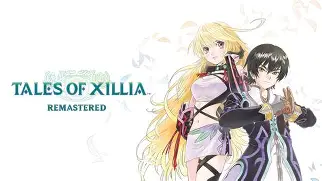
Buyers typically care about four things: visual fidelity, performance stability (frame rates and load times), content completeness (DLC, language options, bonus materials), and the extent to which quality-of-life improvements make the game approachable today. This article evaluates each area and explains real-world implications for different buyer profiles.
Detailed Product Review and Technical Analysis
Graphics and Visual Presentation
The remaster presents generally improved textures, anti-aliasing, and widescreen support compared with the original release on legacy consoles. Upscaling and higher-resolution rendering are the most visible changes: character models and environments gain clarity, and UI elements are adjusted to accommodate modern aspect ratios.
However, buyers should note that a remaster typically stops short of a full remake. The art direction, animations, and core assets are often the same, only treated with post-processing and higher resolution assets where feasible. For players most interested in a dramatic visual overhaul—new character models or reanimated cutscenes—the remaster may feel incremental rather than transformative.
Performance: Frame Rates, Load Times, and Stability
One of the most practical benefits of contemporary remasters is improved performance. On modern hardware, the remaster is generally expected to run at smoother frame rates and offer reduced load times. This is particularly relevant for long play sessions where frequent loading screens or stuttering can break immersion.
Real-world users report that platform choice matters: consoles engineered for stability (such as dedicated home consoles) often provide a consistent experience out of the box, while the PC version can deliver higher frame rates and resolution—if the player's hardware supports it. For buyers with older PCs, verifying minimum and recommended system requirements is essential before purchase.
Audio and Voice Options
Preserving the original soundtrack is a priority for many fans; a good remaster retains or remasters the score without sacrificing audio quality. Voice-acting fidelity and options—such as original Japanese voices versus localized English dubs—are important for players who prioritize authenticity or prefer one language track over another. Buyers who want both language tracks and the ability to switch mid-game should confirm whether the remaster supports that flexibility.
Controls and User Interface
Modern control mapping and UI scaling are small but meaningful improvements. Remasters that support full controller remapping, keyboard and mouse options (on PC), and clearer on-screen prompts are more comfortable for long-term play. For accessibility, adjustable font sizes and contrast settings can make a big difference for older players or those with visual impairment.
Content Completeness: DLC, Extras, and New Features
Whether the remaster includes previously released DLC, bonus episodes, costumes, or additional story content is a major purchase determinant. Many buyers expect a remaster to consolidate DLC and to provide at least one or two quality-of-life updates—such as faster movement in menus, skipable cutscenes, or improved save systems. If the remaster omits DLC or charges extra for previously released content, that reduces value for those who want the complete experience.
Find top-rated Electronics products at great prices.
Shop Amazon →Multiplayer and Online Functionality
For titles with any cooperative elements, the online experience is a practical concern. Buyers should check whether online services are active and whether matchmaking or co-op functionality has been preserved in the remaster. If community features are central to the experience (for example, local co-op or networked battles), the continuity of those systems impacts replayability and long-term value.
Modding and Community Support (PC)
On PC, modding communities can extend the life of a remaster with texture packs, QoL patches, or localization tweaks. While official support varies, the potential to mod is often a selling point for technologically inclined players who like to tweak visuals, fix minor bugs, or add community content. Buyers intending to mod should confirm whether the PC version's DRM or distribution method hampers community tools.
Real-World Use Cases: Who Benefits Most
- New players seeking a modern JRPG entry: The remaster reduces technical friction, making it easier to access a classic title without hunting for legacy hardware.
- Returning fans: Players replaying for story, character interactions, or to relive favorite moments benefit from the polished presentation and potential DLC consolidation.
- Streamers and content creators: Improved resolution and smoother performance translate to better-looking streams and recordings, though creators should test audio and overlay compatibility beforehand.
- Collectors and archivists: Those who care about preserving a title in a modern, supported format will value long-term compatibility and inclusion of extras.
- Speedrunners and competitive players: Consistent frame timing, input responsiveness, and accessible save systems affect runs; community verification is recommended to confirm parity with original releases.
Pros & Cons
- Pros:
- Improved visual clarity and widescreen support for modern displays.
- Performance enhancements like smoother frame rates and reduced load times.
- Convenience features that lower the barrier to entry for new players.
- Preservation of an important title in a format that runs on current hardware.
- Cons:
- Not a full remake—core assets and animations may remain unchanged.
- Potential omission of DLC or extras that previously required separate purchases.
- Remasters can vary by platform; performance and options may be inconsistent.
- Price may not align with the scale of improvements for players who own the original.
Comparison Table: Original vs Remastered
| Edition | Graphics | Performance | Extras / DLC | Recommended For |
|---|---|---|---|---|
| Original (Legacy Console) | Original-resolution textures and 4:3/16:9 depending on platform | Performance tied to older hardware; potential for slower load times | DLC often sold separately; community patches vary | Collectors of original hardware; nostalgia-focused players |
| Remastered Edition | Upscaled textures, widescreen support, improved anti-aliasing | Smoother framerate, shorter load times on modern hardware | May include consolidated DLC and QoL features; varies by release | New players, returning fans who want convenience and stability |
Buying Guide: What to Check Before Purchase
1. Platform and Performance Expectations
Decide which platform the buyer will play on and research platform-specific performance reports. Consoles tend to offer plug-and-play stability; PC allows higher fidelity but requires compatible hardware. Read community feedback and technical reviews that include benchmark numbers if performance is a priority.
2. Content and DLC Inclusions
Verify whether previously released DLC—story episodes, costumes, or bonus missions—is included or sold separately. Many buyers assume a remaster bundles all content; if it doesn't, the total cost of ownership rises.
3. Language and Localization
Confirm which voice options and subtitle languages are available. Buyers who prefer original voice tracks or specific localization quality should check whether the remaster allows swapping languages and whether translations were updated.
4. Quality-of-Life Improvements
Look for features like improved save systems, skip options for cutscenes, UI scaling, and controller remapping. These additions greatly affect daily playability, particularly for long RPG sessions.
5. Accessibility and Controls
Assess whether the game supports remappable controls, adjustable font sizes, and other accessibility features. These are practical considerations for older players or those with specific input preferences.
6. Community and Online Functionality
For players who intend to play cooperatively or rely on online features, ensure that network services are still active and that matchmaking functions correctly. If online play was integral to the original, check for continuity.
7. Storage and System Requirements
Confirm the installation size and minimum recommended hardware. High-resolution assets can substantially increase disk usage compared to the original. For players with limited storage, this is a non-trivial consideration.
8. Price-to-Value Considerations
Compare the remaster's price against the scope of improvements. If the upgrade is mainly cosmetic and the buyer already owns the original on a still-functional platform, it may be worth waiting for sales or bundles that include DLC. Conversely, new players or those without legacy hardware receive more value from a modern release.
Shop the latest Electronics picks on Amazon.
Browse Now →9. Modding Support (PC Buyers)
Check whether the PC release is mod-friendly and whether the community has already developed useful patches or enhancements. Mods can address small issues left unpatched by developers and extend the game's lifespan.
10. Reviews and Community Feedback
Scan a range of technical and user reviews for first-hand reports about bugs, performance inconsistencies, and whether promised improvements materially affect the experience. Focus on reviews that evaluate the specific platform the buyer intends to use.
Practical Scenarios: Should Different Buyers Buy It?
Newcomers
For players who never experienced the original, the remaster provides an accessible path into a well-regarded JRPG. The convenience of modern platforms and QoL improvements make it an attractive first purchase—provided the remaster includes the desired language options and acceptable performance on their hardware.
Returning Fans
Fans returning for nostalgia will appreciate improved visuals and potentially consolidated content. However, if a returning player already owns the original and the remaster does not include key extras or demonstrates minimal technical improvements, waiting for a sale could be more economical.
Collectors and Archivists
Those who prioritize preservation will value the official availability on modern platforms. This safeguards their ability to run the game in future years without maintaining legacy hardware.
Streamers and Content Creators
Improvements in resolution and stability benefit those producing video content. Streamers should still test audio routing and overlay compatibility and confirm whether graphical enhancements align with channel aesthetics.
Conclusion
In summary, Tales Of Xillia Remastered offers meaningful advantages for many players—improved visuals, performance stability on modern systems, and potential quality-of-life tweaks that make long JRPG campaigns more approachable. Yet it is not a universal upgrade: the scope of changes is often incremental, and value hinges on platform-specific performance and content bundling.
Buyers should evaluate platform reports, confirm which extras are included, and weigh price against the scale of improvements. New players and those without legacy hardware will likely find clear value. Returning fans should confirm DLC inclusion and technical gains before purchasing at full price. For anyone who prioritizes significant reimagining over preservation, the remaster may disappoint; for those who want the original experience made comfortable for modern play, it can be a welcome update.