Boya Magic vs Once Upon Photo Book: Which Should You Buy?
I've been a hobbyist photographer for years, and over the past seven months I test-driven two very different ways of turning digital files into physical memories: the Boya Magic portable photo printer and the Once Upon Photo Book service. Both promise to help your photos leave the screen, but they serve different use cases. In this article I’ll tell you exactly how each performed for me, what I appreciated, what frustrated me, and who I think should choose which option.
Why I tried both
My interest started simple: I wanted quick, casual prints to hand to friends and a nicer, permanent album for holiday memories. I picked up the Boya Magic because it looked like a pocketable solution to print straight from my phone, and I ordered a few photo books from Once Upon Photo Book to compare a consumer online book service. Over seven months I used the Boya Magic for parties, short outings, and spontaneous print sessions; I used Once Upon Photo Book for more curated projects—vacation albums and a family anniversary book.
Overview: what these products are
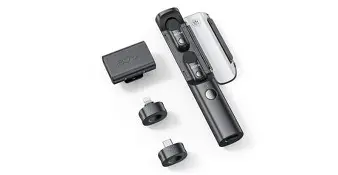
Boya Magic — a small, battery-powered mobile printer that connects to your phone via Bluetooth and prints adhesive-backed or traditional small format photos (roughly 2x3 to 4x6 depending on models/print packs). It's designed for instant, tangible photos you can stick onto a scrapbook, hand to someone, or tape to a wall.
Once Upon Photo Book — an online service that lets you assemble a multi-page photo book with different cover and paper options. You upload, arrange, pick layouts and finishes, and the company prints and ships you a bound book sized from small coffee-table to large landscape formats.
My testing routine
I approached both with similar standards: color fidelity, sharpness, build quality and durability. For Boya Magic I tested battery life, connection reliability, print speed, and how the prints fared after weeks on a refrigerator and in a pocket. For Once Upon Photo Book I evaluated upload and layout tools, template flexibility, print paper quality, binding strength, and how well the book survived being handled by a few dozen family members.
Boya Magic: in-depth review
I carried the Boya Magic for weekend outings and a small birthday party. The unit is compact—small enough to tuck in a jacket pocket—and that portability was its biggest value in my experience. Setting it up was a straightforward process: I installed the accompanying app, paired the printer via Bluetooth, and loaded a single roll of 2x3 prints (I opted for the glossy adhesive-backed paper for casual use).
What I found was pleasantly simple. The app's interface is minimal: choose photos, crop and apply one of a few filters, then hit print. Each print took roughly 40–60 seconds from command to finished paper. That isn't instant like a sticker dispenser, but fast enough for small groups to wait around and trade photos.
Print quality surprised me for the size. Colors were punchy and skin tones reasonably accurate straight out of the printer—warmer than my calibrated monitor, but still visually pleasing. Fine detail at 2x3 was acceptable; you could make out facial features clearly but not the fine weave in fabrics. After a month on my fridge the prints showed minor corner curling but no noticeable fading. I did notice some inconsistency between batches: color balance shifted a touch when I changed the paper pack, and one roll produced slightly cooler tones than another.
Battery life was adequate for casual use. With moderate prints and intermittent usage over an afternoon, the printer handled about 30–35 2x3 prints per charge. If I tried printing larger 4x6 sheets (I tested those too), the battery drained faster—closer to 12–15 prints per charge. Recharge time was under two hours from empty using the included USB-C cable.
Discover deals on Cameras & Photography — updated daily.
See Deals →Two things bothered me: first, the app's editing tools are very basic. You get cropping, simple filters, and text overlays, but no advanced color correction or easy batch adjustments. Second, paper costs add up. The convenience is worth it for parties and quick souvenirs, but as my test prints accumulated, the cost per photo became higher than sending files to a lab.
What I liked
- I appreciated the portability—it's genuinely usable on the go.
- Setup and printing are simple enough for non-technical guests to use.
- Adhesive-backed prints are fun for scrapbooks and instant displays.
- Decent color vibrance for casual prints straight from a phone.
What I didn’t like
- Limited in-app editing—no advanced color controls, no soft proofing.
- Some inconsistency between paper batches and occasional miscoloring.
- Running costs (paper) are noticeable if you print a lot.
- Not a replacement for high-resolution prints from a pro lab.
Once Upon Photo Book: in-depth review
I used Once Upon Photo Book to create two books during my testing—one 8x8 inch softcover photo book for a weekend trip and a 10x10 hardbound book for family photos. Their web editor is the core of the experience: upload images, drag-and-drop into pages, choose layouts, add captions, and pick paper and cover options.
What I found was largely positive: the editor strikes a balance between flexibility and usability. I could auto-fill a book quickly, then spend time polishing key spreads. The layout templates are modern and allowed me to create cinematic spreads by letting a single photo run bleed-to-bleed across two pages. I appreciated that I could change image alignment and do manual cropping when auto-layout didn't place elements correctly.
Print and material quality met my expectations for a mid-range consumer photo book. The paper choices gave a noticeable difference: matte paper reduced glare for portrait-heavy pages, while the premium lustre option made landscapes pop. Binding was solid—after repeated flipping and letting kids use the book on the couch, there was no loosening or tearing at the gutter. The cover options were attractive: the linen hardback looked and felt premium without being overbearing.
There were a few disappointments. Uploading a very large batch of raw files (I used a handful of TIFFs and many high-resolution JPEGs) took longer than I expected; the web app handles compression and preview generation server-side, which introduced delays. I also ran into an occasional cropping issue where the preview showed a slightly different crop than the final print—nothing dramatic, but enough that I recommend carefully checking the page-by-page preview before ordering.
Shipping and packaging were good. My books arrived within the promised window and were wrapped in protective material. The print longevity feels reliable—scanning a couple of pages with a phone camera after several months showed no color shift.
What I liked
- High-quality paper and binding options that make the book feel permanent.
- A good mix of automatic layout tools and manual controls for fine-tuning.
- Options for different sizes and cover materials to match the project.
- Reassuring durability for a book that sees frequent handling.
What I didn’t like
- Upload and preview generation can be slow with large, high-resolution batches.
- Minor discrepancies between on-screen preview and final crop on a few spreads.
- Less suitable for very small, instant "souvenir" needs compared to an instant printer.
Comparison table
| Boya Magic | Once Upon Photo Book | |
|---|---|---|
| Product type | Portable mobile photo printer | Online photo book printing service |
| Best for | Instant small prints, parties, scrapbooks | Curated albums, milestone books, gifts |
| Print sizes | Small prints (typ. 2x3 up to 4x6) | Multiple book sizes and page formats |
| Image quality | Good for small casual prints; limited resolution | High-quality paper printing; better for large spreads |
| Durability | Reasonable for small prints; adhesive-backable | Very good—professional binding and archival-ish papers |
| Speed | 40–60 seconds per small print | Production takes days; not instant |
| Cost profile | Lower upfront device cost, higher per-print cost | Higher per-book cost but cheaper per photo in large books |
| Convenience | Very convenient for on-the-spot prints | Convenient for creating long-lasting, polished albums |
Pros & Cons (side-by-side)
Boya Magic — Pros & Cons
- Pros: Portable, fun, quick prints; easy to use for guests; adhesive options; reasonable color for casual prints.
- Cons: Basic editing in the app; paper costs; slight batch inconsistencies; not a pro lab replacement.
Once Upon Photo Book — Pros & Cons
- Pros: High-quality paper and binding; great for storytelling; modern templates; durable finish and cover options.
- Cons: Slower turnaround; upload and preview delays with large files; small crop mismatches occasionally.
Buying guide: which should you choose?
In my experience, the right choice depends mainly on how you plan to use the photos.
If you want instant, shareable prints
Choose the Boya Magic if you want to hand people physical photos in the moment. I found it invaluable for parties, weekend getaways, and when you want a quick souvenir. Key considerations:
Discover deals on Cameras & Photography — updated daily.
Browse Now →
- Think about print size: smaller prints are cheaper and faster; larger prints will use more battery and paper.
- Check the availability and cost of replacement paper for your region—running costs matter if you plan to print regularly.
- Expect to do basic edits on the phone beforehand; don't plan on professional color correction from the mobile app.
- Battery capacity: if you’re taking this to an all-day event, bring a small power bank or spare charges.
If you want a long-lasting, curated album
Choose Once Upon Photo Book if you want a polished, durable keep-sake. From my tests, it's ideal for vacations, year-in-review books, baby albums, or gifts. Key considerations:
- Plan time for assembling: uploading, arranging, and proofreading will take longer than you think if you aim for a high-quality result.
- Order a sample or smaller test book first if you’re picky about paper and color—they offer different finishes, and what looks good on your monitor might feel different on paper.
- Pay close attention to the page-by-page preview to avoid cropping surprises—manually tweak important photos.
- Consider image resolution: higher-resolution JPEGs or TIFFs give the best results, especially for full-bleed spreads.
Both? A hybrid approach I liked
I actually used both. For a family reunion, I printed quick Boya Magic photos to hand out during the event, and afterwards I compiled the best shots into a Once Upon Photo Book. That hybrid gave me the immediate fun of physical prints and the lasting value of a professional book. If you enjoy both instant gratification and thoughtful archiving, this combined approach is what I found most satisfying.
Practical tips from my months of use
- For Boya Magic: keep a small microfiber cloth in the case. Dust on the paper path showed up as tiny white specks on some prints until I cleaned it.
- For Once Upon Photo Book: export a contact sheet of the images you plan to use so you can think in spreads before uploading—this saves time in the editor.
- Color consistency: if you're matching prints to a book, edit a sample image the same way for both the printer app and the book upload so tones feel cohesive.
- Backups: always keep full-resolution copies of the photos you plan to print. Compression in web uploads is unavoidable, but having originals helped me re-export if I needed to adjust crops.
- Proofread captions and dates on books. I missed a type and had to reorder once—costly and avoidable.
Final thoughts
After seven months of using both, I can say they’re complementary rather than direct competitors. The Boya Magic is a delightful gadget that brought spontaneous joy to gatherings; it made digital photos tactile in a way that felt immediate and playful. What I found limiting was the running cost and the simplicity of the editing tools—it's a tool for fun rather than archival quality.
Once Upon Photo Book, on the other hand, delivered a more professional, long-lived result. The books I received felt like objects worth keeping on the shelf and passing around. The trade-offs were time and patience: assembling a book took more work and waiting for production was necessary, but the outcome was worth it for my big memories.
If I had to recommend one for a single buyer: choose Boya Magic if most of your needs are instant, tactile, and social; choose Once Upon Photo Book if your goal is a durable, shareable, curated album. For most of my projects, the best answer was to use the Boya Magic for the moment and Once Upon Photo Book for the memory.
Personally, I kept both. I still reach for the Boya Magic at get-togethers, and the photo books occupy a permanent place on my living room shelf. That combination gave me the best of both worlds: immediacy and permanence.