A Professional's Take on the New Layla Kapok Pillow
Introduction
The Layla Kapok Pillow arrives in a market crowded with memory foam, down-alternative, and latex options. For buyers who prioritize natural fibers, lightweight loft, and a down-like softness without animal products, kapok-filled designs present an attractive alternative. This article offers a professional, practical evaluation of the Layla Kapok Pillow from the perspective of everyday use: how it performs for different sleepers, what it demands in care, and whether it addresses the common buyer concerns that drive pillow purchases.
Rather than a sales pitch, the analysis that follows treats the Layla Kapok Pillow as a functional product—examining construction, feel, support, temperature performance, longevity, and real-world suitability. Where relevant, comparisons to common pillow types (memory foam, down, polyfill) help place the Layla Kapok in context for readers deciding which pillow will best solve their sleep problems.
Product Overview and First Impressions
Design intent and audience
The Layla Kapok Pillow is built to appeal to sleepers who want the tactile qualities of down—softness, compressibility, and a light “float” under the head—while avoiding animal-derived fills. It also targets buyers who favor natural or plant-based materials, breathability for warm nights, and an adjustable profile that can be fluffed or redistributed after compression.
Materials and construction
Kapok is a hollow plant fiber harvested from the seed pods of the kapok tree; it is naturally buoyant, low-density, and often blended with supportive fibers or encased in a structured chamber to provide more resilience than kapok alone. The Layla Kapok Pillow typically centers on those strengths: a kapok-dominant fill that aims to recreate a down-like hand and a textile shell designed to balance softness with durability.
From a professional standpoint, a successful kapok pillow depends on three construction decisions: the density of the fill, whether the pillow permits adjustment (removable or zippered fill), and the quality of the outer cover. The Layla product positions itself competitively by paying attention to these elements, making it suitable across multiple sleep styles when managed correctly.
Out-of-the-box feel
Out of the box, kapok pillows typically feel immediately soft and lofty, but they also settle within a few nights as fibers compress and redistribute. The Layla Kapok Pillow is no exception: initial impressions emphasize a down-like fluffiness with a gentle cradle that many describe as comfortable on first use. This makes it appealing to buyers who dislike the initial firmness of new memory-foam pillows.
Detailed Performance Analysis
Support and spinal alignment
Support is the central metric for whether a pillow helps or harms sleep quality. The Layla Kapok Pillow provides moderate support suitable for back sleepers and many side sleepers when the fill is adjusted to the correct loft. Its natural compressibility allows the neck to sink in slightly while maintaining a gentle lift at the shoulders.
Stomach sleepers, who require the lowest possible loft to keep the neck neutral, may find a kapok pillow moderately supportive but sometimes too lofty unless significant fill is removed or the pillow is compressed. Combination sleepers will appreciate kapok’s quick recovery—but should monitor long-term compression because over time kapok can compact more than denser synthetic foams.
Pressure relief and contouring
Unlike viscoelastic memory foam, kapok does not strongly contour to the head and neck. Instead, it provides a cradle-like sensation with localized compression. For people seeking pronounced pressure relief—those with neck pain who benefit from slow conforming support—memory foam may still be preferred. However, for sleepers who dislike the “stuck” feeling of foam and prefer gentle cushioning, the Layla Kapok Pillow offers a comfortable middle ground.
Temperature regulation and breathability
One of kapok’s advantages is thermal neutrality. The hollow fibers promote airflow more than dense foams, and the natural plant fibers do not trap heat in the same way some synthetic fills can. In practice, the Layla Kapok Pillow tends to feel cooler at night than solid foam pillows, making it attractive to warm sleepers and those who live in hot climates.
Looking for the best Electronics deals on Amazon?
Browse Now →That said, breathability also depends on shell fabric and construction. A tightly woven cover will reduce airflow; a cotton or percale shell will enhance it. Proper pillowcase choice further affects the microclimate around the head, so buyers concerned about night sweats should pair a breathable pillowcase with the Layla Kapok Pillow to maximize cooling benefits.
Noise, odor, and break-in
Natural fibers typically produce little to no crinkling noise compared to some shredded foam blends. The Layla Kapok Pillow is quiet in use—suitable for light sleepers who are disturbed by noisy materials. New natural-fiber products can sometimes have a faint plant-fiber scent; airing the pillow for a short period or overnight in a ventilated room typically resolves it. The break-in period is usually short—several nights to a couple of weeks—after which the pillow reaches a stabilized feel.
Durability and long-term care
Durability is the primary trade-off for many kapok pillows. The fibers are soft and resilient initially but can compress over a multi-year lifespan at a faster rate than latex or high-density memory foam. With regular fluffing and periodic redistribution of the fill, the Layla Kapok Pillow can maintain useful loft for a reasonable period, but buyers should expect to replace natural-fiber pillows sooner than premium foam or latex options if they require maximal long-term loft retention.
Care instructions for natural fills often recommend machine-washing only the outer cover and spot cleaning the inner fill or air-fluffing it. Heat and agitation can damage kapok fibers, so owners should follow manufacturer care recommendations to avoid shrinkage or clumping.
Pros & Cons
- Pros
- Lightweight, down-like feel that many find immediately comfortable
- Good breathability for warm sleepers due to hollow natural fibers
- Low noise and quick recovery, helpful for combination sleepers
- Plant-based fill appeals to eco-conscious and vegetarian buyers
- Typically hypoallergenic if processed cleanly and encased in an allergen-resistant cover
- Cons
- Can compress more quickly than latex or dense foam, requiring periodic fluffing
- Less pronounced contouring than memory foam, which may not suit those needing strong cervical support
- Some models require careful care to avoid damaging the fill (limited machine washability)
- Potential for mild natural-fiber scent out of the box for sensitive users
- Not always the best choice for strict stomach sleepers unless the loft is significantly reduced
How Layla Kapok Compares — Quick Reference Table
| Feature | Layla Kapok Pillow | Memory Foam Pillow | Down/Down-Alternative Pillow | Latex Pillow |
|---|---|---|---|---|
| Initial feel | Soft, buoyant, down-like | Dense, contouring | Soft and compressible | Responsive and springy |
| Support for side sleepers | Good when loft is adjusted | Excellent (contours to maintain alignment) | Variable—may lack firmness | Very good (consistent lift) |
| Best for hot sleepers | Yes (good breathability) | No (can retain heat) | Mixed (natural down breathes but traps heat if dense) | Yes (open-cell or perforated latex breathes well) |
| Durability/loft retention | Moderate | High | Moderate (down can be fluffed back) | High |
| Care/Washability | Cover usually washable; fill often spot/air-clean | Often spot clean; some shredded foam is washable | Cover washable; fill requiring professional cleaning | Spot clean or cover wash |
| Allergy considerations | Often hypoallergenic if processed and enclosed | Hypoallergenic (synthetic) options available | Can trigger allergies unless certified hypoallergenic | Natural but typically hypoallergenic |
Buying Guide: What to Consider Before Choosing the Layla Kapok Pillow
1. Sleep position and desired loft
Identify primary sleep position. Side sleepers usually need medium-high loft and firmer support; back sleepers suit medium loft; stomach sleepers need low loft. Kapok’s natural compressibility means it’s easy to lower loft by compressing or removing fill, but buyers should verify whether the pillow’s design allows easy adjustment.
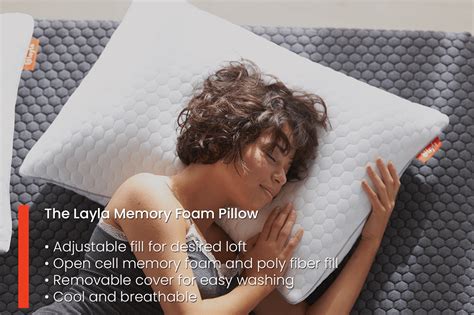
2. Neck and shoulder pain considerations
Those with chronic neck pain should prioritize consistent cervical support. Kapok provides soft cradle but less firm contouring than memory foam; consider whether gentle cradle or firmer alignment is required. Trial periods and return policies matter if pain is a concern.
3. Temperature and climate
Warm sleepers and those living in hotter climates will appreciate the airflow of kapok. However, the overall sleep system (mattress, sheets, and room ventilation) also affects overnight temperature, so assess the pillow in that broader context.
4. Allergies and sensitivity
Natural fibers can be processed to be hypoallergenic, but buyers with severe allergies should confirm any certifications (e.g., OEKO-TEX or specific hypoallergenic processing) and consider a tightly woven, removable, washable cover to limit exposure to dust mites.
5. Care, maintenance, and longevity
Understand the recommended care routine. Many kapok pillows require minimal washing and benefit from routine airing and fluffing. Confirm whether the outer cover is machine-washable and whether the inner fill requires special handling to avoid damage. Factor in expected lifespan—natural fills may require replacement earlier than durable latex or high-density foam.
Find top-rated Electronics products at great prices.
See Deals →6. Environmental and ethical preferences
Kapok is a renewable plant fiber that appeals to eco-minded shoppers when harvested and processed responsibly. If environmental credentials are important, look for transparent sourcing information and any third-party certifications offered by the manufacturer.
7. Trial period and return policy
Pillow comfort is subjective. A generous trial period allows users to test the pillow across a full sleep cycle and decide if the loft and support meet their needs. Layla and similar brands often offer return windows that make trying a new pillow lower-risk—buyers should verify terms before purchase.
Real-World Use Cases
For the hot, combination sleeper
A person who alternates between back and side positions and overheats easily will find the Layla Kapok Pillow advantageous. The light, airy fill supports repositioning without trapping heat, and the quick recovery helps maintain a consistent sleep surface.
For the allergy-conscious
Buyers who want to avoid animal down but still crave a down-like feel will appreciate a kapok pillow when it’s properly processed and encased. Pairing the pillow with a hypoallergenic pillow protector and a machine-washable cover reduces allergen accumulation.
For eco-minded households
Kapok appeals to those seeking plant-based materials. For families prioritizing lower-impact material choices, kapok provides a natural alternative to petroleum-derived synthetic fills, provided the brand is transparent about sourcing and processing practices.
For guest rooms and light sleepers
The Layla Kapok Pillow pairs well with guest-room setups where a universally comfortable, non-committal pillow is desirable. Its soft initial feel tends to satisfy casual sleepers who prefer immediate softness over firm medical support.
Practical Tips for Getting the Most from a Kapok Pillow
- Fluff daily for the first month: Regular fluffing during the break-in period helps fibers settle evenly and improves initial comfort.
- Rotate and redistribute: Periodically redistribute fill, especially if one side flattens faster than another.
- Use a breathable pillowcase: Natural cotton or linen cases preserve the pillow’s cooling qualities.
- Air the pillow occasionally: Fresh air and sunlight (indirect) can refresh natural fibers and mitigate minor odors.
- Follow care instructions: Avoid high-heat drying for the inner fill; machine-wash only the outer cover if recommended.
Conclusion
For buyers seeking a natural, down-like alternative with strong breathability and a soft hand, the Layla Kapok Pillow represents a compelling option. It strikes a balance between immediate comfort and functional support, performing well for back and many side sleepers while offering clear advantages for hot sleepers and fans of plant-based materials.
However, buyers who require prolonged, firm cervical support, or who prioritize maximum longevity in loft retention, should weigh kapok against denser options like latex or high-density memory foam. Practical considerations—adjustability, care routines, and trial/return policies—are decisive. When selected with those factors in mind, the Layla Kapok Pillow can be a dependable, comfortable addition to a sleep setup that values natural fibers and a cooler nightly climate.